

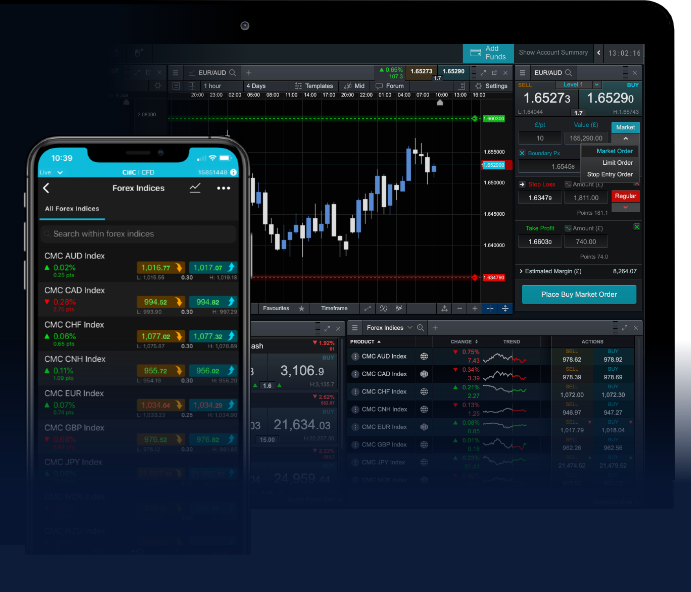
In the ever-evolving landscape of Forex trading, signals have emerged as an essential tool for traders looking to make informed decisions. In this comprehensive guide, we will delve into the intricacies of forex trading signals, the different types available, their importance, and how to effectively use them in your trading strategy. For those looking to enhance their trading experience, consider utilizing a reliable forex trading signals Trading Platform TH that provides real-time signals and analytics.
What Are Forex Trading Signals?
Forex trading signals are indicators that assist traders in making decisions regarding the purchase or sale of currency pairs. These signals can be generated by various sources, including professional traders, automated trading systems, and analytical tools. They typically provide information about the ideal entry and exit points in the market, allowing traders to optimize their trades.
Types of Forex Trading Signals
Forex signals can generally be categorized into two main types: manual and automated. Understanding the differences between these can help traders choose what suits their strategies best.
1. Manual Signals
Manual signals are generated by experienced traders or analysts who analyze market conditions and provide trade recommendations. These signals may include specific instructions regarding entry and exit points, stop-loss levels, and take-profit targets. Traders using manual signals often benefit from the expertise and insights of skilled professionals.
2. Automated Signals
Automated trading signals, on the other hand, are generated by algorithms or trading bots that analyze market patterns and data. These systems use technical indicators and advanced statistical methods to determine optimal trading opportunities. While automated signals can operate in real-time and remove emotional factors, they require careful consideration and regular monitoring to ensure they align with the trader’s goals.
The Importance of Forex Trading Signals
Utilizing forex trading signals can profoundly impact a trader’s effectiveness and profitability. Here are several reasons why they are vital in forex trading:
-
Time Efficiency: One of the primary advantages of forex signals is that they save time. Traders are often overwhelmed by the vast amounts of market data available. Signals streamline this process, allowing traders to focus on high-potential opportunities without getting lost in the noise.

- Informed Decision Making: Signals are based on thorough analysis and market data, making them valuable for traders who may lack experience or time to perform their analyses. By following signals, traders can make better-informed decisions and reduce the risk of emotional trading.
- Risk Management: Good trading signals often come with risk management advice. They can provide insights into setting stop-loss and take-profit levels, helping traders manage their risk exposure effectively.
- Consistent Strategy: Using forex trading signals can contribute to a trader’s consistency. By having a structured approach and following signals, traders can minimize impulsive decisions and stick to their trading plan.
How to Use Forex Trading Signals Effectively
To maximize the potential benefits of forex trading signals, traders should consider the following strategies:
1. Choose Reliable Signal Providers
The first step in successfully using forex signals is choosing the right signal provider. Research various options and verify their credibility. Look for providers with a track record of success, transparent practices, and positive reviews from users.
2. Understand the Signals
It is crucial to read and understand the signals before acting on them. Look beyond the recommended trades and analyze the information provided. This includes understanding why a particular entry or exit point is suggested, which helps improve your overall trading knowledge.
3. Combine Signals with Personal Analysis
While signals can provide valuable insights, relying solely on them can be risky. Combining signals with personal analysis and other trading tools enhances decision-making. Use technical and fundamental analysis to contextualize the signals you receive.
4. Maintain a Trading Journal
Documenting your trades, including those based on signals, can provide insight into your trading performance over time. By maintaining a journal, you can analyze what works, identify mistakes, and refine your strategies for better outcomes in the future.
Finding Reliable Forex Trading Signals
There is no shortage of sources for forex trading signals, including blogs, forums, social media, and trading platforms. However, not all signals are created equal. Here are some tips for finding reliable signals:
- Research & Reviews: Investigate providers thoroughly and read user reviews. Look for potentially profitable signals and consider the experiences of others.
- Trial Periods: Many signal providers offer trial periods or demo accounts. Utilize these to test the quality of their signals before committing.
- Community and Forums: Trading communities and forums allow traders to exchange insights and share experiences. Engaging with others can lead to discovering reliable signal providers.
Conclusion
Forex trading signals are invaluable tools for both novice and experienced traders. By understanding the types of signals, their importance, and how to use them effectively, traders can improve their decision-making and overall performance in the forex market. As always, it is crucial to conduct ongoing research and personal analysis to complement any signals utilized. With the right approach and the aid of a robust trading platform, you can navigate the forex landscape with greater confidence and success.